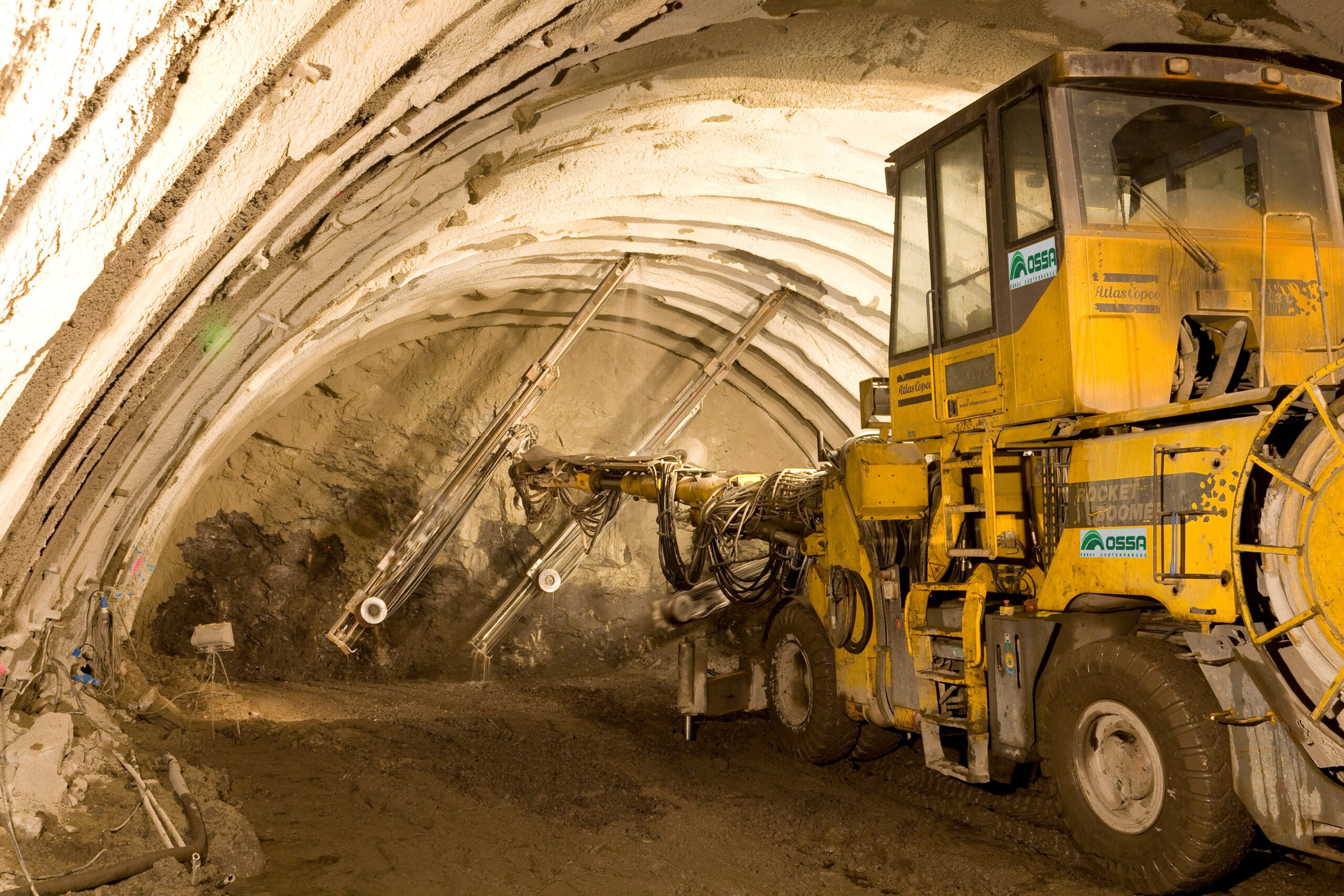
OSSA possesses one of Spain's most comprehensive fleets of specialized machinery for underground works. More than 260 company-owned units from leading industry brands guarantee immediate availability on any project: free of external dependencies, immune to market risks, and with full control over execution schedules and quality.
With over 70 years of specialization in underground construction and an active footprint in more than 15 countries, OSSA has built a machinery fleet that reflects the breadth and depth of its technical capabilities. Every company-owned piece of equipment provides operational autonomy: the company that controls its assets controls its outcomes.
Company-owned equipment
Completed tunnels
Countries of operation
Company-Owned Units
Distinct Models
World-Leading Manufacturers
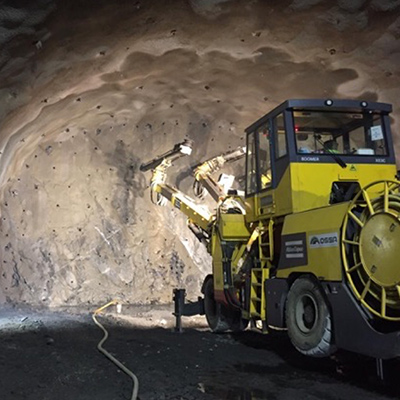
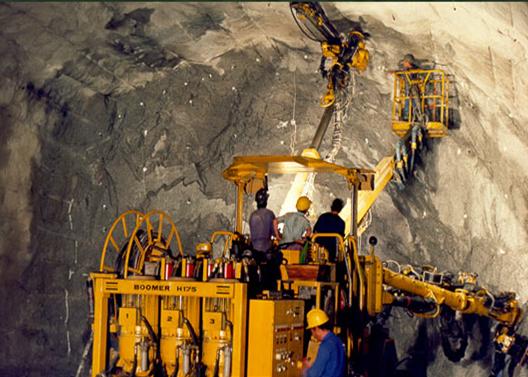
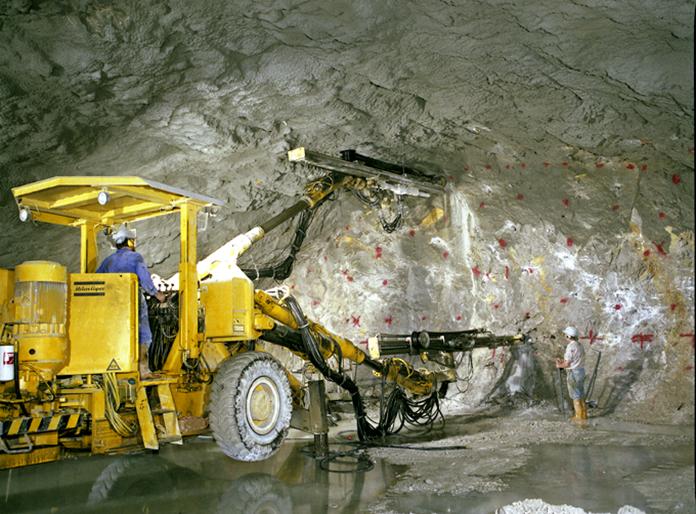
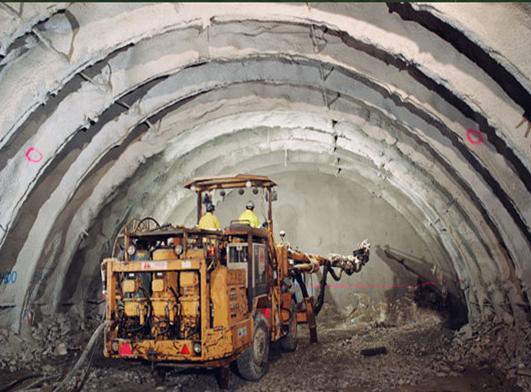
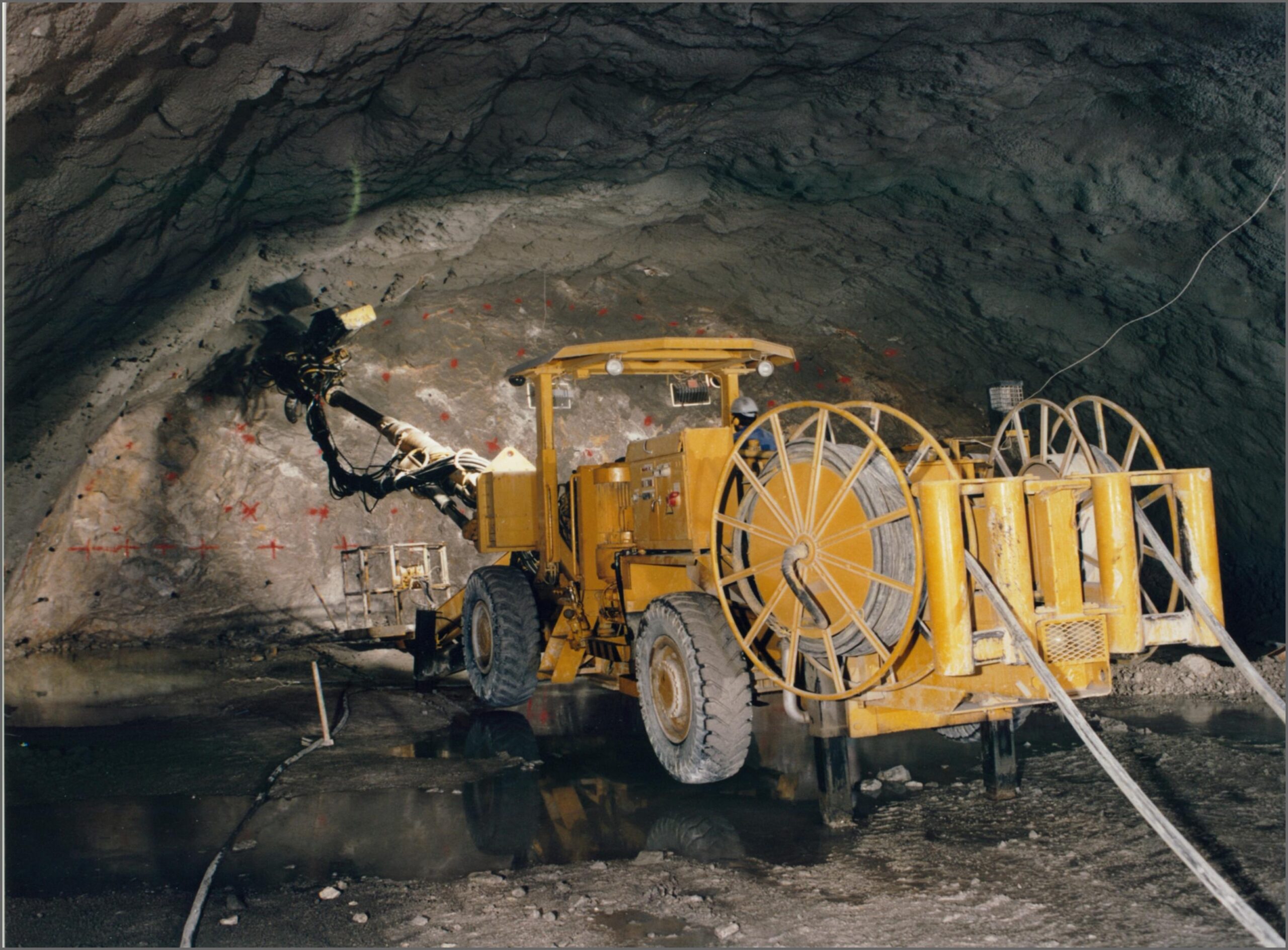
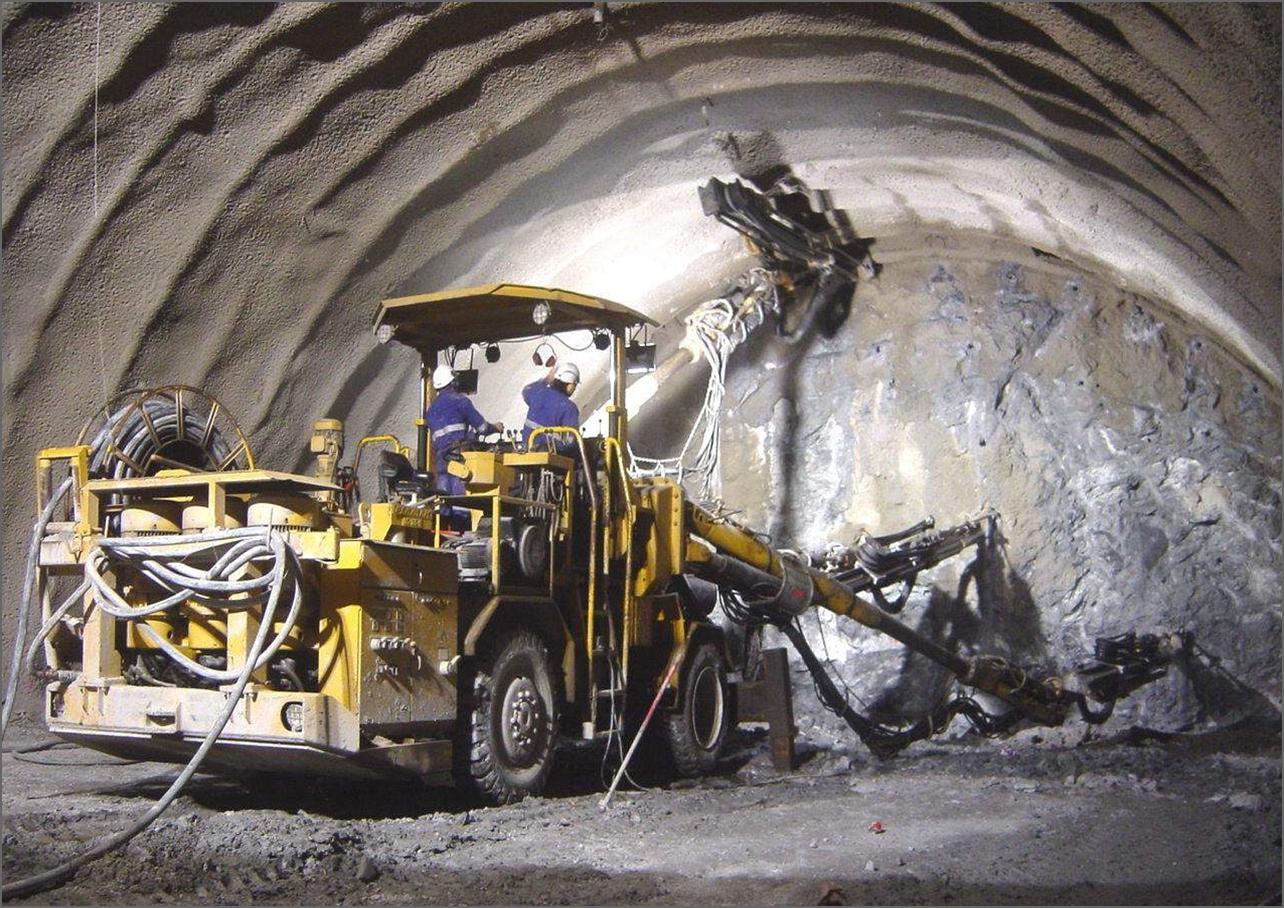
Drill jumbos are the core equipment in the New Austrian Tunneling Method (NATM) excavation cycle. OSSA owns 33 units manufactured by Epiroc and Sandvik—the two benchmark brands in underground drilling—with models ranging from small cross-sections in utility galleries to large profiles in railway and subway tunnels.
The breadth of the fleet allows for the simultaneous opening of multiple excavation faces, precise tailoring of assigned machinery to projected geology and cross-sections, and the deployment of on-site backup units to maintain cycle continuity during maintenance events. In time-sensitive underground projects, this in-house responsiveness makes all the difference.
Railway and high-speed rail tunnels · Urban subway tunnels · Highway tunnels · Utility and hydraulic galleries · Civil mining · Access and ventilation shafts
Company-Owned Robots
Models for Various Cross-Sections
Specialized Manufacturers
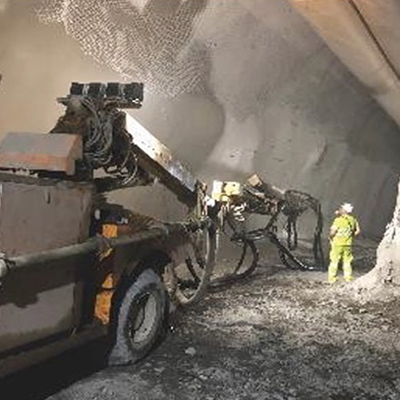
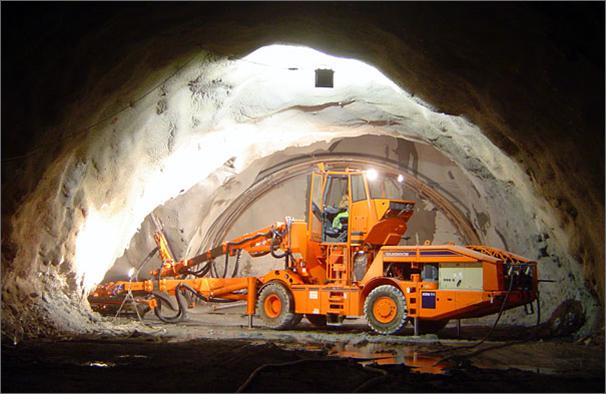
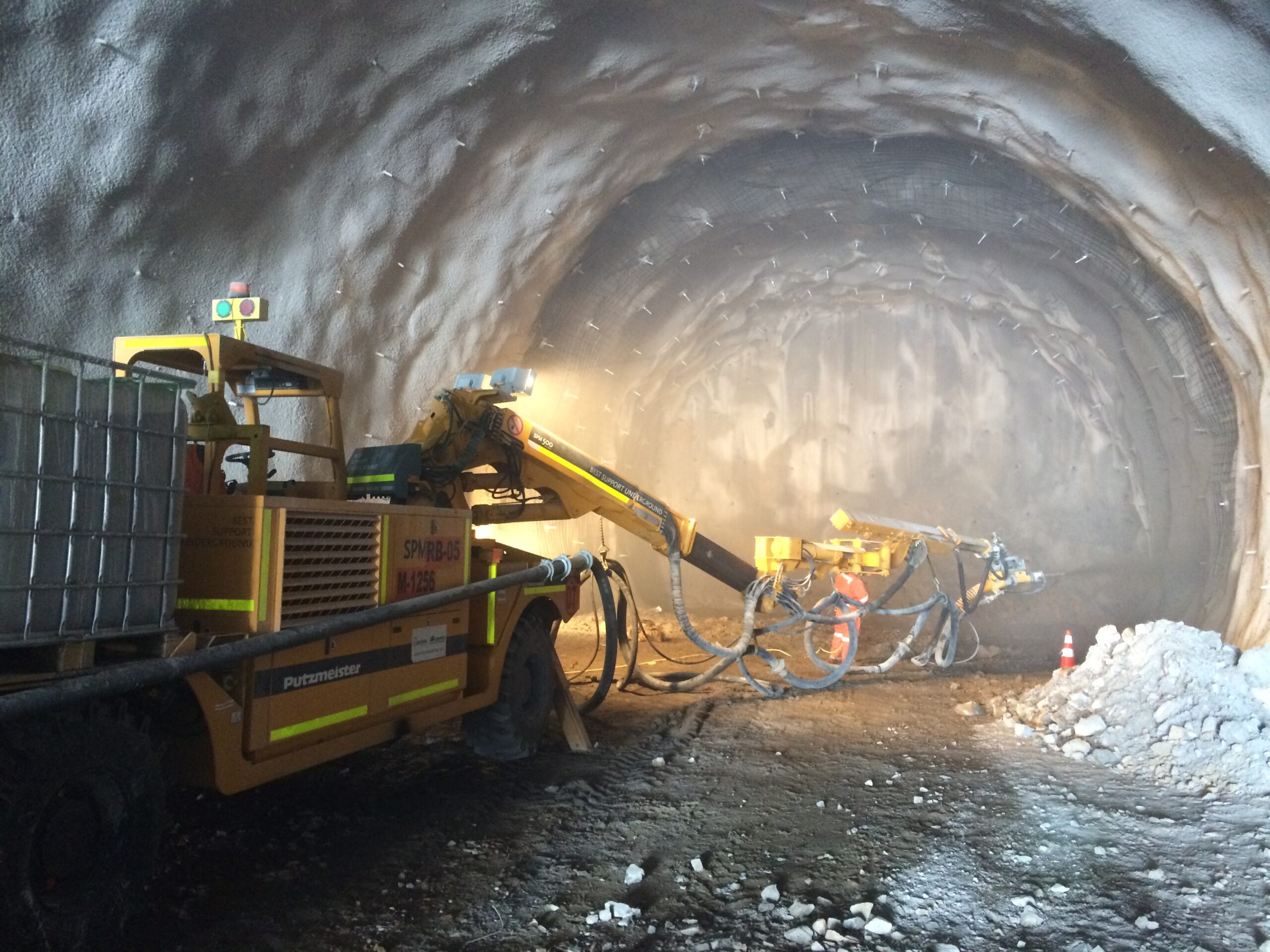
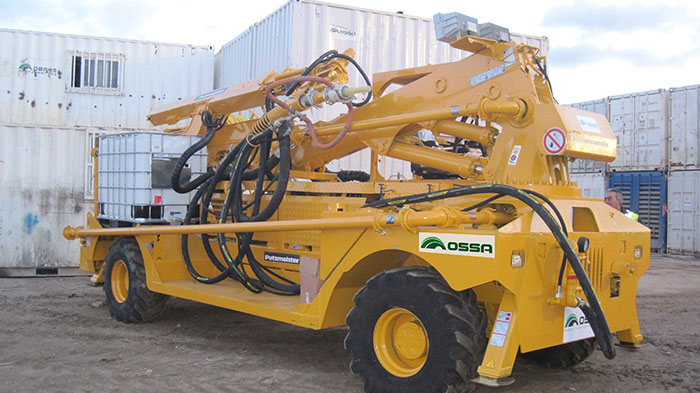
Sprayed concrete for primary support in underground works represents one of the most technically demanding and hazardous phases of the NATM cycle. OSSA carries this out entirely with its own shotcreting robots: 28 units from Epiroc and Putzmeister that allow operators to work from inside a protected cabin at all times, eliminating direct exposure to the excavation face during shotcrete application.
Robotic spraying enhances safety while significantly elevating the technical quality of the support system. Robotic arms apply concrete with precise geometry, pressure, and flow rates, resulting in more uniform thickness, lower rebound rates, and superior adhesion to the excavated profile compared to manual methods. This delivers certified, higher-quality primary support with every advance.
Primary support in NATM excavation · Large-span arches and sidewalls · Galleries in variable geology · Urban tunnels · Consolidation and reinforcement of existing underground structures
Company-Owned Units
Maximum Reach
Industry-Leading Manufacturers
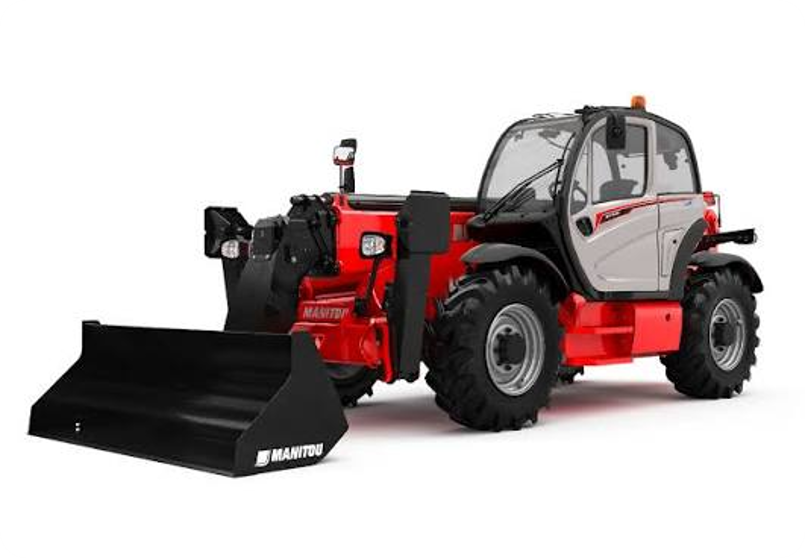
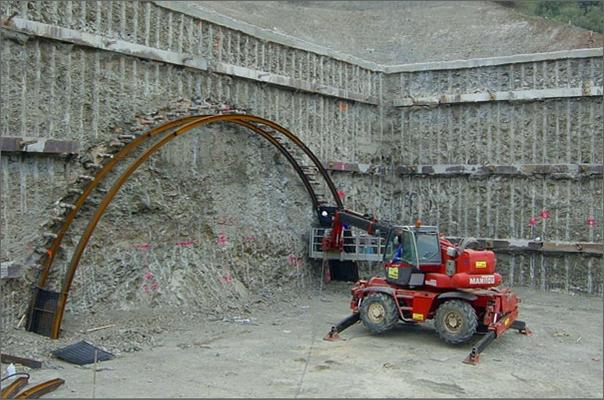
Safe overhead access inside tunnels is a critical operational requirement during the mechanical, electrical, and finishing stages of any underground project. OSSA maintains 27 company-owned platforms and telescopic handlers—including Normet HIMEC platforms custom-engineered for tunnel interiors—covering all elevated work requirements without relying on fixed scaffolding that obstructs internal traffic.
Manitou telescopic handlers, boasting reaches of up to 18 meters, enable access to the crown of any tunnel section from a certified platform with perimeter fall protection. Once a task is complete, the machine moves quickly to the next work face without interrupting ongoing operations. This compatibility with concurrent tasks shortens final project phases and keeps schedules strictly on track.
Installation of tunnel electrical and lighting systems · Assembly of ventilation and HVAC systems · Waterproofing and drainage · Road and rail signaling · Interior finishing · Maintenance of underground infrastructure
Company-Owned Units
Epiroc ST-1030 Tunnel Loaders
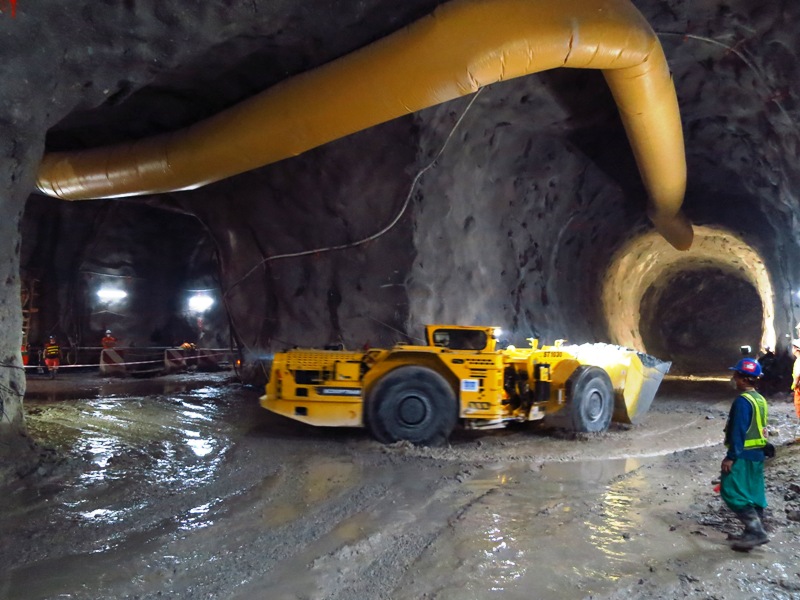
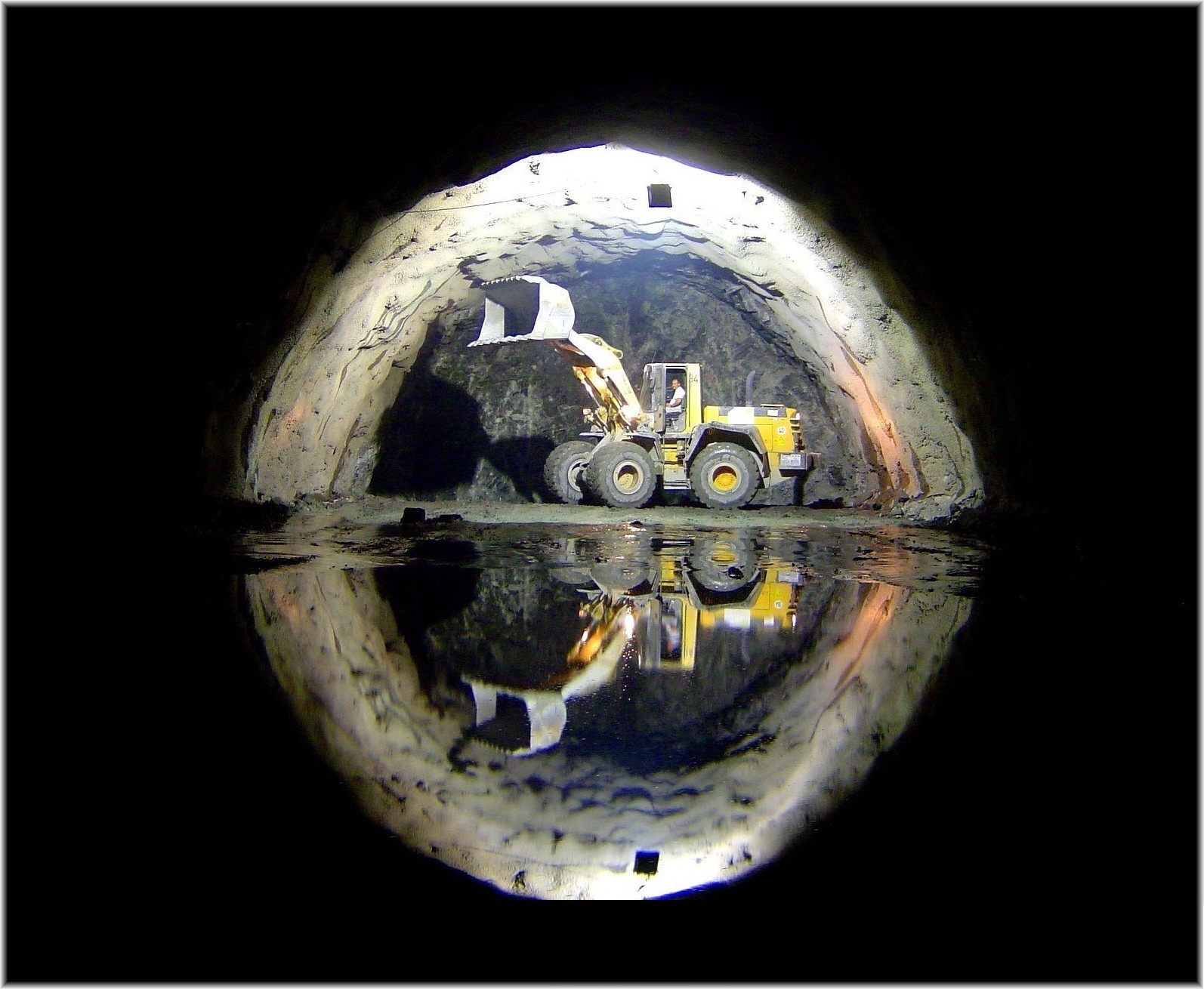
Mucking is the phase of the underground excavation cycle that most frequently dictates actual advance rates. An undersized loading fleet or reliance on third-party rentals turns every performance gain in drilling into downtime at the face. OSSA operates an in-house fleet of 37 wheel loaders and excavators, featuring the Epiroc ST-1030 underground loader as the benchmark for tunnel interiors.
The diversity of the fleet—low-profile underground loaders, crawler excavators, and backhoes—covers everything from face mucking in confined galleries to earthmoving at portal sites and open-air work zones. This complete in-house coverage eliminates third-party coordination in a phase critical to underground production cycles.
Face mucking in NATM and TBM excavations · Truck and dumper loading · Portal earthmoving · Auxiliary grading operations · Demolition and underground rehabilitation works
Company-Owned Units
Payload Capacity
In medium- and long-distance underground projects, hauling material from the face to the surface constitutes a logistical chain that determines overall excavation speed. Articulated underground dump trucks—engineered for narrow profiles, confined-space emissions compliance, and high traction on tunnel gradients—require specialized capability that OSSA delivers through its proprietary 9-unit fleet.
Epiroc MT2010 and MT2200 and MAN-GHH MK-A20 dumpers operate seamlessly alongside the excavation and mucking cycle, avoiding external bottlenecks in a critical link of the production chain. With capacities up to 22 metric tons, the MT2200 units streamline haul cycles on high-volume excavation projects, reducing cycle times and energy consumption per ton hauled.
Muck haulage in medium- and long-distance tunnels · In-tunnel construction material transport · Projects with strict emissions limits in confined spaces · Works in narrow-profile galleries
Company-Owned LOVAT TBM
Total Tunnel Experience
Direct Operational Control
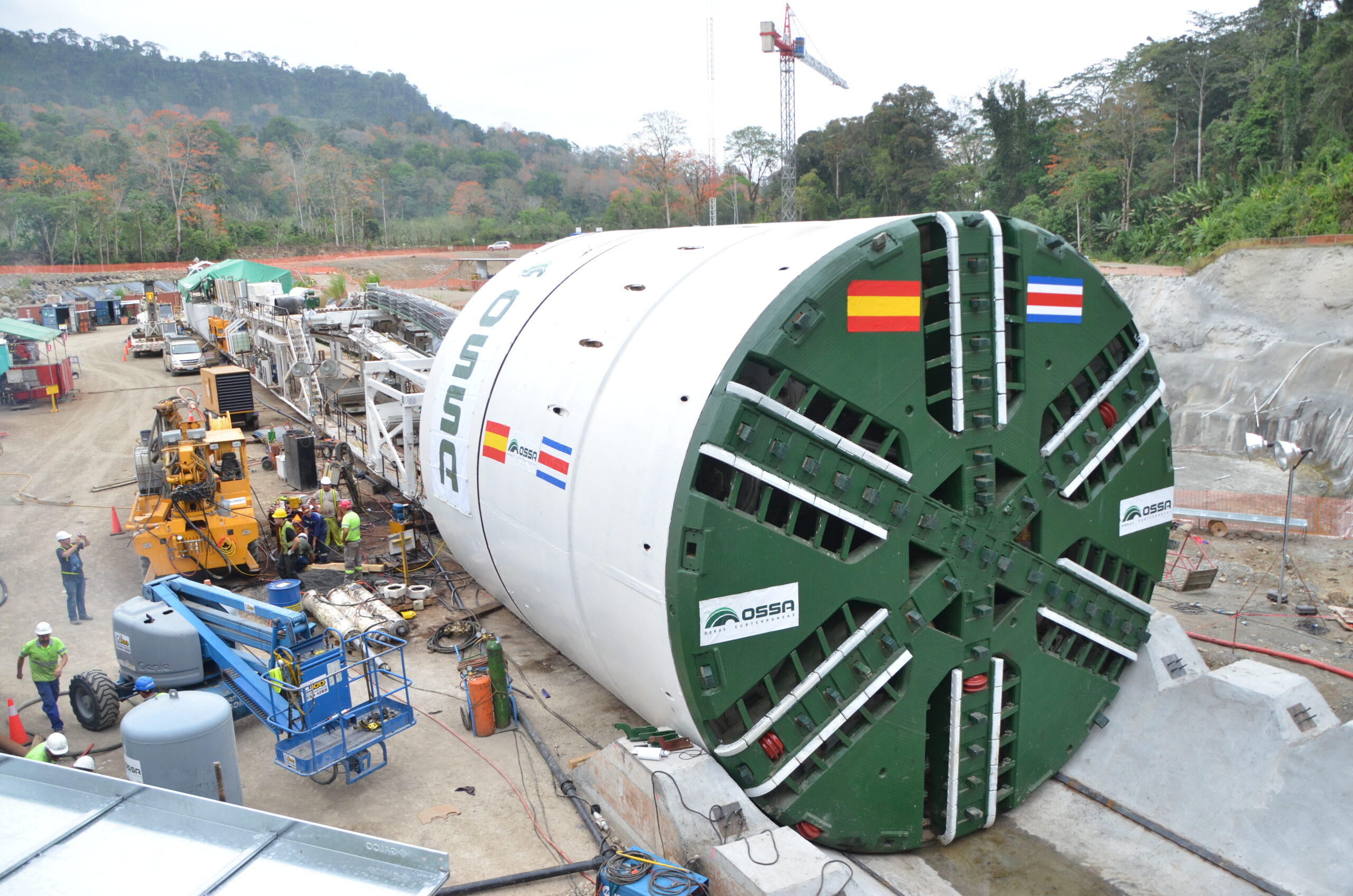
OSSA owns a LOVAT Tunnel Boring Machine (TBM)—the single largest and most schedule-critical piece of machinery in mechanized tunneling. Shield TBMs are the benchmark solution for long tunnels across soft and mixed ground conditions, and owning one represents a major technical differentiator for OSSA in large-scale underground infrastructure.
TBM ownership translates into complete operational command: an in-house crew with proven expertise on this specific machine, internally managed preventive maintenance with critical spare parts stored in dedicated warehouses, and deep institutional knowledge of the equipment’s performance across diverse geologies. This ensures greater production predictability, minimizes unplanned downtime, and delivers schedule reliability far superior to contractors relying on leased machinery.
Long-distance railway and subway tunnels · Circular cross-section hydraulic infrastructure · Urban highway tunnels · Projects in soft ground, mixed ground, and below the water table
Company-Owned Units
Controlled Mechanical Excavation
Specialized Manufacturers
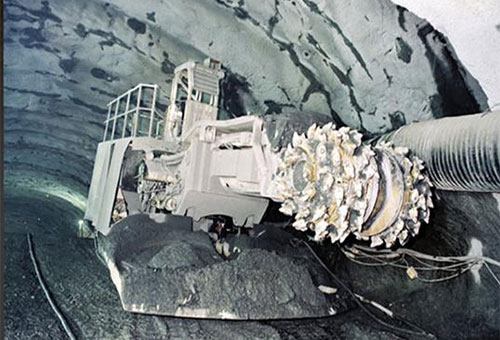
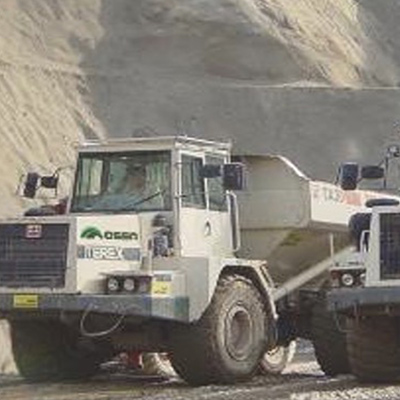
Roadheaders are the mechanical excavation solution of choice when blasting is technically unfeasible: dense urban environments, proximity to buildings, historic preservation zones, operational railway corridors, or any context where regulatory or project vibration limits prohibit drill-and-blast methods.
OSSA owns 3 units—two Terex WS-90 and WS-90N cutting heads and a complete Wirth Paurat T3.20 roadheader—enabling operations in sensitive areas with full assurance of vibration compliance and no compromise on advance rates. On mixed alignments where only certain sections permit blasting, OSSA deploys proprietary equipment across both excavation methodologies, providing an integrated in-house solution without subcontracting.
Urban excavation with vibration restrictions · Tunnels beneath existing structures · Projects within historical and cultural heritage sites · Tunnels adjacent to active railway infrastructure · Projects governed by rigorous vibration control regulations
Company-Owned Units
Power Range Available
Manufacturers: Atlas Copco · CAT · Genesal · Electra Molins · Others
Underground projects in their initial stages lack grid power. All energy required for excavation, ventilation, lighting, dewatering, and communications depends entirely on self-generation until permanent utility connections are established. With 35 proprietary generator sets spanning 40 to 800 kVA, OSSA fulfills all electrical power requirements in-house for any underground project, including remote locations lacking electrical infrastructure.
The fleet features high-capacity units—Genesal GEN 800VC, CAT 3412, Atlas Copco QAS500—to simultaneously power primary excavation and ventilation systems, alongside compact units for auxiliary facilities and advancing headings. This redundant, self-sufficient power capacity proves essential on OSSA’s international projects across Chile, Peru, Mexico, and Saudi Arabia, where autonomous power is an operational prerequisite from day one.
Power supply for excavation machinery · Underground ventilation systems · Tunnel interior lighting · Pumping and dewatering · Temporary jobsite facilities · Projects in off-grid locations
Company-Owned Units
Unit Power Rating (Zitron)
Primary Manufacturers
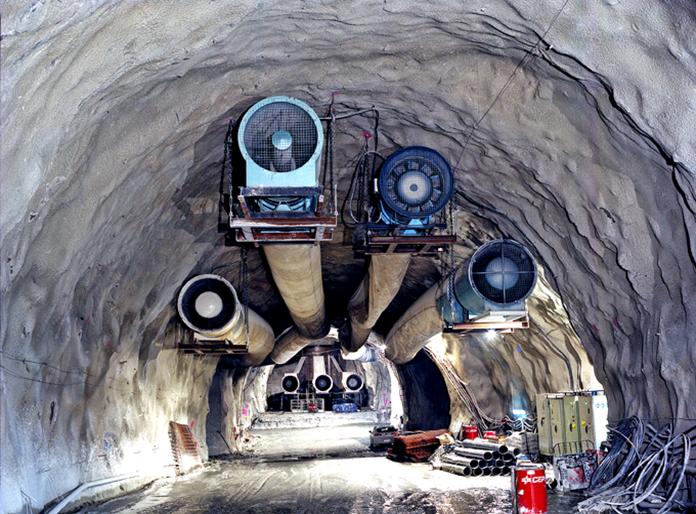
Ventilation in underground works is a safety-critical life support system, not merely an auxiliary service. Work inside a tunnel cannot proceed without adequate ventilation, making its proper design from the onset of excavation both a technical necessity and a statutory requirement. With 54 company-owned fans—the largest equipment category in OSSA’s machinery fleet—the company has full internal capability to engineer and commission ventilation schemes for any project.
The fleet encompasses 22 heavy-duty Zitron ventilation units (up to 200 kW)—a global benchmark in tunnel ventilation—complemented by Cogemacoustic, Sumivent, and Conau systems across various outputs and diameters. This extensive lineup enables customized ventilation systems tailored to specific project parameters—tunnel length, cross-section, number of headings, geology, and air quality standards—with immediate unit availability and complete independence from equipment rental markets.
Main ventilation for tunnels under construction · Secondary ventilation at working faces · Blast fume extraction · Air quality control for TBM operations · Shaft and cavern ventilation · Emergency and evacuation systems
Company-Owned Units
Maximum Capacity (Schwing SP-750)
Specialized Manufacturers
Concreting the final lining is among the phases with the greatest long-term impact on the structural integrity of underground infrastructure. The concrete pump governs pressure, output, and delivery continuity; its reliability during casting windows is decisive for lining uniformity. OSSA manages this phase with 7 proprietary concrete pumps from Sebhsa, Schwing, and Putzmeister, eliminating external dependencies in a procedure that directly dictates structural durability.
Schwing SP-750 pumps, delivering up to 750 liters per hour, are tailored for the demanding conditions of underground concrete placement: high pressures, long pumping distances, temperature fluctuations, and constrained access. Managing these systems in-house enables OSSA to execute rigorous on-site quality control protocols—monitoring slump at placement, pumping pressures, and pour durations—ensuring complete traceability for every section of the completed lining.
Final tunnel lining concreting · Structural backfilling · Ground consolidation grouting · Backfilling of precast segments · Repair and reinforcement of existing underground structures
Company-Owned Units
Zoomlion BEV Electric Units
Primary Manufacturers
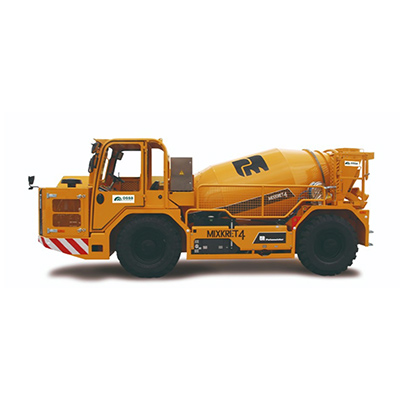
Hauling fresh concrete into tunnels requires equipment specifically designed for gallery environments: a low profile to navigate tight clearances, strict emission controls for confined spaces, and the ability to maintain batch homogeneity along steep grades. Conventional mixer trucks cannot meet these demands. OSSA maintains 7 specialized company-owned units, including 2 fully electric concrete mixer trucks.
Putzmeister Mixkret 4 units—the benchmark in underground concrete transport—ensure continuous mixing and agitation throughout transit, verifying that slump and temperature at the discharge point comply strictly with engineering specifications. The 2 all-electric Zoomlion 10J BEV units spearhead OSSA’s transition into next-generation underground equipment: zero tailpipe emissions, reduced noise, and a diminished carbon footprint, delivering distinct operational and environmental value for sustainability-focused projects.
Transport and placement of concrete for final linings · Projects with confined-space emission limits · Sustainability-driven projects with carbon-reduction targets · Concreting of interior structures and structural backfill
Mechanized Explosives Charger
Automated Rock Bolter
Specialized equipment within OSSA’s fleet covers two of the most technically complex and safety-critical stages in drill-and-blast underground excavation: mechanized explosive loading and systematic rock bolting for permanent rock support.
Mechanized ANFO loading in drill-and-blast operations · Systematic rock bolting for permanent support in rail tunnels · High-volume bolting projects demanding rigorous traceability · Ground support for caverns and large-span excavations